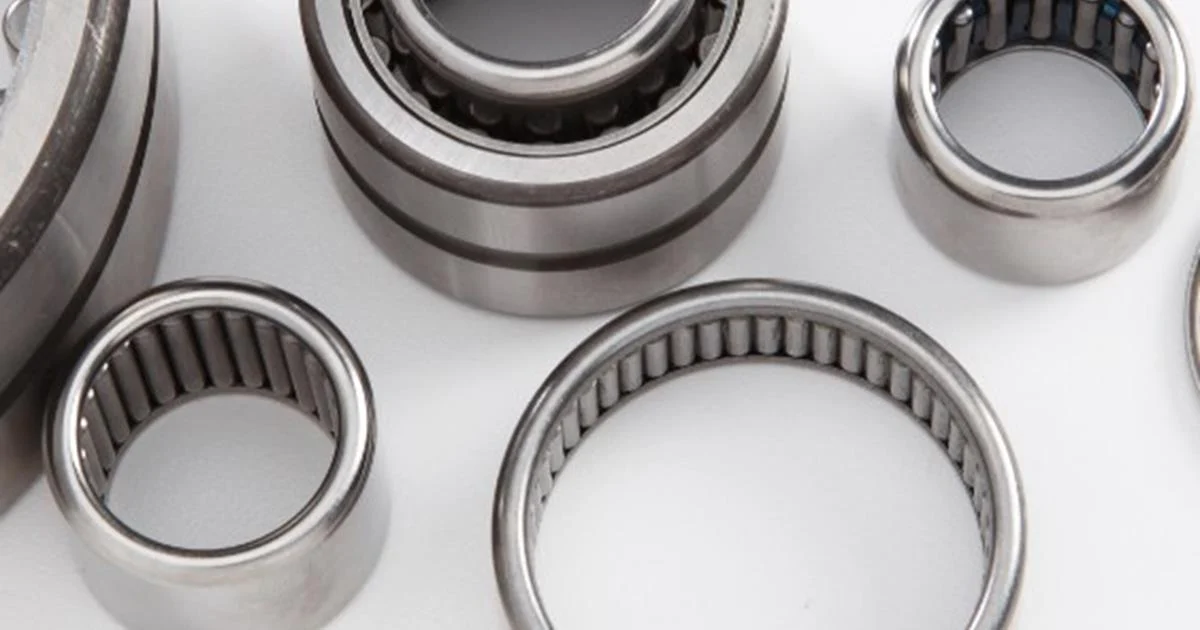
Rolamentos de agulhas têm a capacidade de diminuir o atrito e, assim, permitir operações fáceis em vários sistemas. No entanto, esses rolamentos podem precisar ser removidos para fins de manutenção, substituição ou reparo. Aprender os métodos de remoção de rolamentos de agulhas é crucial para evitar qualquer dano ao rolamento e às peças próximas durante o processo. Vários métodos de extração de rolamentos de agulhas serão discutidos neste artigo. Existem pontos fortes e abordagens ideais associados a cada método, que serão explicados neste guia.
Compreendendo os rolamentos de agulhas
Now, let me explain what needle roller bearings are before proceeding to the various removal techniques of the same. These bearings consist of a series of long, thin rollers that are significantly longer than their diameter. It is possible to achieve high load carrying capacity with needle roller bearings when the bearings are designed in this manner and at the same time occupy minimal space. This radial structure is especially advantageous in applications with restricted mounting sizes.
The design and material of the needle roller bearings make it have high load carrying capacity. They can be
projetado sem anel interno usando o próprio eixo como elemento rolante, o que pode reduzir o tamanho e a massa. Isso faz com que os métodos adequados de instalação e remoção sejam um fator importante no que diz respeito à sua funcionalidade.
Métodos para remover rolamentos de agulhas
1. Método de bater
O método de batida é um dos mais simples e frequentemente utilizados para remover rolamentos de agulhas. Inclui o uso de força durante a remoção do rolamento por meio de batidas no rolamento. Veja como fazer isso de forma eficaz:
Passos para o método de bater
Gather Your Tools: Now you will also need a soft metal rod – preferably copper or aluminum, hammer and spacers.
Prepare the Work Area: It is also important to have a pristine environment throughout the process and therefore have a stable work surface.
Position the Bearing: Should the bearing be positioned at the end of the shaft, use a rod, the outer diameter of which is less than the inner diameter of the bearing. This rod will be mounted opposite to the shaft end.
Rolamentos NSAR needle roller bearings have unique roller and raceway contours that reduce stress concentrations that cause early failure of the bearings.
Add Spacers: Put a spacer underneath the bearing. This will give you firm foundation and should help protect the area around you from being damaged by any force that you apply.
Apply Tapping Force: Gently hit the soft metal rod with the hammer. But, the force should be concentrated on the inner ring of the bearing. Don’t hit the rolling elements and the cage because they will be harmed.
Monitore o alinhamento: Ao rosquear, também é importante que o rolamento se mova para cima e para baixo em linha reta. Se o alinhamento for perdido, a posição do espaçador deverá ser ajustada.
Cuidados e considerações
Quando o processo de bater é utilizado, é bastante eficaz; no entanto, o processo pode causar danos se for feito com muita força. Uma dessas considerações visa garantir que a força aplicada seja bem controlada e bem direcionada. Bater na área do rolamento deve fazer com que o rolamento se mova; portanto, se ele não se mover, verifique o alinhamento do canal e a aplicação da força mais uma vez.
Entre em contato conosco para obter informações sobre rolamentos.
2. Método Hot Break
O método de ruptura a quente mencionado é mais eficaz no caso de rolamentos de rolos de agulhas estreitos. Essa técnica utiliza expansão – térmica para ser mais preciso – no processo de remoção.
Etapas do Método Hot Break
Prepare the Oil: Warm oil to around 75-80 C or 165- 172 F, simply because the maximum temperature you have to reach will be 100 C or 212 F. This oil will be used to spread the bearing ring.
Apply the Oil: Gradually pour the hot oil on the bearing which is to be removed. While using this type of furnace, it is also important to heat the bearing evenly to avoid chances of center cracking.
Wait for Expansion: Let the bearing stand for some time, preferably a few minutes. It is anticipated that the heat will alter the expansion of the bearing ring and consequently reduce the tightness of its interaction with the shaft.
Use a Puller: Once the bearing is hot enough for you to bear the smell, then utilize a bearing puller to remove it from the shaft. For this reason, the puller should be placed properly and aligned well so that it does not pull off center.
Pull Gradually: Start to withdraw the bearing gradually. Make arrangement that the puller is centrally positioned and that no pressure is applied at one side.
Advantages and Limitations
The hot break method is suitable in the removal process of tightly fitted bearings without applying extra force. Nevertheless, it involves risk when working with hot oil, which may lead to burning or spilling of the oil. Avoid direct contact with hot substances or wear protective clothing each time you are dealing with heat.
3. Método Push
A técnica de utilização de uma prensa para desmontagem de rolamentos de agulhas também é um método de operação estável e eficaz, o que reduz significativamente a probabilidade de danos aos rolamentos e equipamentos adjacentes.
Etapas para o método Push
Set Up the Press: Place the bearing in either a hydraulic or mechanical press. Make sure that the crucial point of the work is focused on the shaft.
Align the Components: Make sure that all components are set into the right position before applying force.
Press the Bearing Out: Ease pressure using the press and apply it in progress. Keep an eye on the bearing as it starts to spin or turn.
Avoid Biasing: Make sure that the force is spread out and that the press does not become out of whack which harms the device.
Complete the Removal: When the bearing is completely pressed out one must check whether the bearing is spoiled or not.
Benefícios do Método Push
O método push é vantajoso porque proporciona a estabilidade necessária para eliminar o risco de danificar determinados componentes ao fazer algumas remoções. Isso é mais adequado para casos que exigem precisão e pode atender a um grande número de tamanhos de rolamentos.
 4. Método de extração
O método de extração é realizado com a ajuda de um extrator usado para rolamentos de agulhas. Este é um método que proporciona remoção controlada e pode ser usado tanto na remoção do anel interno quanto externo.
Etapas para o método pull-out
Select the Correct Puller: The size of the puller should match that of the needle roller bearing that you’re pulling out.
Position the Puller: Fasten the puller onto the bearing such that the element is accurately positioned.
Adjust the Legs: In performing outer ring removal, the legs of the puller should be positioned in the outwards direction. During inner ring removal the legs should be inclined inwards so that they touch the end face of the inner ring.
Rotate the Handle: Slowly turn the handle of the puller clockwise and anti-clockwise. Doing this will gradually cause the bearing to be pulled out from the housing.
Monitor Progress: As the bearing is pulled look at the direction it comes out to ensure it is aligned properly.
Quality is therefore guaranteed at NSAR to enable their bearings to endure the harshest operating environment for use in automotive transmissions, air conditioning compressors, and several industrial applications.