Choose the ideal cage material based on performance, cost, and application needs
When selecting a spherical roller bearing, everyone focuses on load capacity and size—but the bearing cage (or retainer) is critical to the overall performance, reliability, and life of the bearing. Choosing the right cage type can reduce wear, prevent premature failures, and increase efficiency in harsh industrial environments. NSAR Other
Premium Bearings and Accessories List.
So, how do you choose the right cage for your application?
What is a bearing cage?
A bearing cage is used to isolate and guide the rolling elements (rollers or balls) within the bearing. It ensures that the bearing is evenly distributed and runs smoothly under high speeds or heavy loads. Cage materials and designs vary to accommodate different operating conditions.
The three most common cage types used in spherical roller bearings are:
Steel cage (pressed or machined)
Brass cage (machined solid brass)
Polyamide cage (reinforced nylon/plastic)
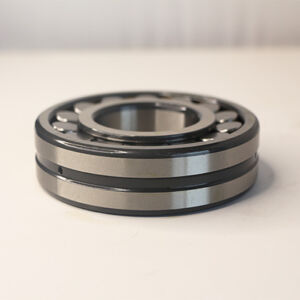
Each type offers unique advantages, depending on your application needs.
1. Steel Cages - Durable and Affordable
Best for: General industrial use, gearboxes, crushers and vibrating screens.
Steel cages are widely used due to their strength, affordability and fatigue resistance. Stamped steel cages are lightweight and affordable, while machined steel cages are stronger and suitable for high-load applications.
Advantages:
Suitable for high-speed operation
Cost-effective choice for a variety of applications
Resists wear and impact at moderate temperatures
Notes:
May not be suitable for extreme temperatures or corrosive lubrication conditions.
2. Brass Cages - High Strength, Heat Resistance
Best for: Wind turbines, heavy mining machinery, marine equipment and high-temperature environments.
Machined brass cages have excellent strength and corrosion resistance. They are ideal for applications where bearings are subject to heavy loads, high temperatures or contamination.
Advantages:
Excellent wear and fatigue resistance
Excellent performance under thermal expansion and vibration
Resists seizure and galling
Considerations:
More expensive than steel or polyamide
Heavier weight
3. Polyamide cages - light and quiet
Best for: electric motors, automotive components, and applications with medium loads and speeds.
Polyamide (usually glass-reinforced nylon) cages are lightweight and run smoothly and quietly. They are ideal for low-friction environments and applications that need to reduce noise and energy consumption.
Advantages:
Low noise and vibration
Good chemical resistance
Lightweight and energy-efficient
Considerations:
Not suitable for high temperature or oil-starved environments
Limited mechanical strength under shock or high loads
How to choose the right cage material?
When choosing the right cage, consider the following factors:
Operating temperature range
Load type and intensity
Speed and rotation requirements
Lubrication method and environment
Presence of vibration or contamination
Weight and space constraints
Budget and life cycle cost
For example, if you are purchasing bearings for a wind turbine main shaft, a brass cage may have the best durability. For compact motors, polyamide may be the first choice because of its light weight and quiet operation. For general purpose machinery, steel cages often provide the best balance between performance and cost.
As an
experienced spherical roller bearing supplier, we help our customers select the best bearing and cage configuration for their specific needs. Whether you need a custom double row spherical roller bearing or want to purchase spherical roller bearings for standard industrial applications, we offer a full range of options, including brass, steel and polyamide cage types.
Need help selecting the right cage for your bearing?
Contact the team at NSAR today for expert technical support and competitive pricing.


